

Professional illustration about aristocracy
Aristocrat History
Aristocrat History
The concept of aristocracy has shaped societies for centuries, evolving from ancient feudalism to modern interpretations of elitism and social hierarchy. Historically, aristocrats were members of the privileged class, often holding hereditary titles and wielding significant political power. In medieval Europe, nobility was synonymous with land ownership and military service, creating a rigid ruling class that dominated governance systems. This hereditary rule contrasted sharply with emerging democracy and meritocracy, which sought to distribute power based on ability rather than birthright.
By the 18th and 19th centuries, aristocracy faced challenges as revolutions and industrialization reshaped political theory. The French Revolution, for example, dismantled the old monarchy, while the rise of oligarchy in some nations shifted power to wealthy elites rather than traditional nobles. Even today, debates about wealth concentration and class conflict echo these historical tensions. Interestingly, the term aristocrat has also been adopted by modern entities like Aristocrat Leisure Limited, a gaming company listed on the Australian Securities Exchange (ASX), and Aristocrat Pub & Restaurant in Indianapolis—showing how the word’s meaning has expanded beyond its original context.
The legacy of aristocracy persists in contemporary discussions about governance systems and social stratification. While some view it as an outdated relic, others argue that elite groups still influence politics and economics, albeit in less formal ways. For instance, political power in many democracies is often concentrated among the upper class, raising questions about fairness and representation. Understanding aristocrat history helps contextualize these modern debates, revealing how ancient government forms continue to shape today’s world.
Key historical examples include the British House of Lords, where hereditary peers once held legislative authority, and the Venetian Republic, which blended aristocracy with elements of oligarchy. These systems highlight the complexities of historical governance, where privileged class structures were both revered and contested. Whether examining feudal lords or modern corporate elites, the study of aristocracy offers valuable insights into political power dynamics and the enduring influence of the ruling class.

Professional illustration about aristocrat
Aristocrat Culture
Aristocrat culture has long been a fascinating subject, blending historical prestige with modern-day interpretations of privilege and power. At its core, this culture revolves around the aristocracy, a privileged class that has historically wielded significant influence over political power, social hierarchy, and even governance systems. While the term often conjures images of feudalism or monarchy, today’s aristocrat culture extends beyond hereditary rule, encompassing everything from high-society traditions to corporate entities like Aristocrat Leisure Limited, a gaming giant listed on the Australian Securities Exchange (ASX).
One of the most enduring aspects of aristocrat culture is its emphasis on hereditary rule and elitism. Unlike meritocracy, where success is earned through individual effort, aristocracy traditionally privileges birthright and lineage. This social stratification has fueled debates about fairness, especially in modern democracies where class conflict remains a pressing issue. For instance, the tension between oligarchy—a system where power rests with a small, wealthy elite—and democratic ideals highlights how aristocrat culture continues to shape political discourse. Even in cities like Indianapolis, where historical ties to nobility may seem distant, the legacy of aristocracy lingers in institutions, philanthropy, and even local landmarks like the Aristocrat Pub & Restaurant, which nods to the opulence of bygone eras.
The ruling class of aristocracy has also left an indelible mark on art, fashion, and leisure. From lavish balls to exclusive clubs, the upper class has cultivated a lifestyle that symbolizes wealth concentration and refinement. Companies like Aristocrat Leisure Limited have modernized this ethos, offering luxury entertainment experiences that echo the grandeur of historical nobility. Meanwhile, the political theory surrounding aristocracy raises questions about its viability in contemporary society. Can a system built on hereditary rule coexist with the egalitarian principles of democracy? Or does it inevitably lead to social hierarchy that stifles progress?
Interestingly, aristocrat culture isn’t just about power—it’s also about preservation. Families with noble lineages often go to great lengths to maintain their heritage, from curating private art collections to funding cultural institutions. This dedication to legacy underscores the elite’s role in shaping historical governance and political power. Yet, as society evolves, so too does the definition of aristocracy. Today, it’s not just about titles or land ownership; it’s about influence, whether in boardrooms, politics, or even entertainment. The Aristocrat Pub & Restaurant, for example, blends old-world charm with modern hospitality, proving that aristocrat culture can adapt without losing its essence.
Critics argue that aristocracy perpetuates inequality, reinforcing a privileged class that dominates resources and opportunities. This perspective aligns with broader discussions about governance systems and whether meritocracy or oligarchy better serves societal progress. Still, proponents of aristocrat culture highlight its contributions to art, education, and philanthropy, suggesting that the upper class has a responsibility to steward cultural and economic wealth. Whether viewed through the lens of political theory or everyday life, aristocrat culture remains a complex, multifaceted phenomenon that continues to spark debate and fascination in 2025.
Professional illustration about noble
Aristocrat Lifestyle
The Aristocrat Lifestyle: Privilege, Power, and Modern Adaptations
The aristocrat lifestyle has long been synonymous with opulence, hereditary privilege, and a distinct separation from the masses. Historically tied to feudalism and monarchy, the nobility enjoyed vast estates, political influence, and a social hierarchy that placed them at the top. Today, while traditional aristocracy has waned in many democracy-driven societies, elements of this lifestyle persist—whether in the form of old-money families, elite social circles, or even modern corporations like Aristocrat Leisure Limited, a gaming giant listed on the Australian Securities Exchange (ASX).
Wealth and Exclusivity
At its core, the aristocrat lifestyle revolves around wealth concentration and exclusivity. Think sprawling estates, private clubs, and access to resources far beyond the reach of the average person. In cities like Indianapolis, historic mansions once owned by noble families now serve as museums, offering glimpses into a bygone era of hereditary rule. But the modern upper class has adapted—today’s elites might flaunt their status through memberships at high-end establishments like the Aristocrat Pub & Restaurant, where the ambiance echoes old-world grandeur.
Governance and Social Stratification
The aristocrat lifestyle isn’t just about material wealth; it’s deeply intertwined with political power and governance systems. While oligarchy and meritocracy have reshaped how societies are run, the ruling class still often mirrors the privileged class of yesteryear. For instance, in some countries, political dynasties function like modern aristocracy, with power passed down through generations. This perpetuates class conflict, as critics argue such systems undermine equality. Meanwhile, debates about elitism versus democratic values continue to shape political theory, especially in nations transitioning from historical governance models.
Cultural Influence and Modern Interpretations
From fashion to philanthropy, the aristocrat lifestyle leaves an indelible mark on culture. High society events, like galas and horse races, keep traditions alive, while contemporary elites leverage their influence in business and entertainment. Companies like Aristocrat Leisure Limited exemplify this blend of old and new—founded in 1953, the corporation now dominates the global gaming industry, proving that aristocracy isn’t just about titles but also about leveraging legacy for modern success. Even the term "aristocrat" has evolved, sometimes used ironically to describe anyone living lavishly, regardless of lineage.
Challenges and Criticisms
Despite its allure, the aristocrat lifestyle faces scrutiny. In an era where social stratification is increasingly questioned, the idea of a privileged class born into advantage clashes with ideals of fairness. Movements advocating for wealth redistribution or meritocracy challenge the very foundations of aristocracy. Yet, the fascination remains—whether in binge-worthy period dramas or the public’s endless curiosity about how the other half lives. The aristocrat lifestyle, in all its forms, continues to captivate, critique, and adapt to the times.
Professional illustration about Nobility
Aristocrat Fashion
Aristocrat fashion has long been a symbol of the privileged class, blending opulence with timeless elegance. In 2025, the influence of nobility on modern style remains undeniable, as designers continue to draw inspiration from the ruling class of centuries past. Think tailored suits with intricate embroidery, luxurious fabrics like silk and velvet, and accessories that scream wealth concentration. Brands like Aristocrat Leisure Limited have even tapped into this aesthetic, offering high-end leisurewear that mirrors the sophistication of historical aristocracy. Whether it’s a modern twist on Victorian-era corsets or the revival of Renaissance-era brocade, aristocrat fashion is all about making a statement—one that whispers elitism while still feeling relevant today.
The connection between aristocrat fashion and social hierarchy is impossible to ignore. In the past, clothing was a direct indicator of one’s place in the political power structure—think of the elaborate gowns worn by European monarchs or the meticulously crafted uniforms of feudalism’s knights. Fast-forward to 2025, and while democracy has reshaped governance systems, fashion still serves as a subtle marker of status. High-profile events like the Met Gala or exclusive Aristocrat Pub & Restaurant gatherings often showcase outfits that pay homage to hereditary rule, proving that the allure of nobility hasn’t faded. Even streetwear brands are borrowing elements from aristocrat fashion, blending street style with aristocratic flair to create something entirely new.
For those looking to incorporate aristocrat fashion into their wardrobe, the key is balance. You don’t need a crown to channel aristocracy—start with statement pieces like a velvet blazer or a lace-detailed blouse. Jewelry also plays a huge role; think signet rings (a nod to hereditary rule) or pearl necklaces reminiscent of monarchy’s golden age. And let’s not forget footwear: knee-high boots and loafers with gold detailing can instantly elevate an outfit. If you’re aiming for a more subtle approach, opt for rich, deep colors like burgundy, emerald green, or navy—hues historically associated with the upper class.
The business side of aristocrat fashion is just as fascinating. Companies like Aristocrat Leisure Limited, listed on the Australian Securities Exchange (ASX), have capitalized on the growing demand for luxury leisurewear. Meanwhile, high-end restaurants like Aristocrat Pub & Restaurant have become hubs for the modern elite, where fashion and fine dining intersect. This trend reflects a broader cultural shift where meritocracy and oligarchy coexist, allowing individuals to curate their personal style regardless of their birthright. In cities like Indianapolis, boutique stores are stocking up on aristocrat-inspired pieces, proving that this trend isn’t limited to traditional fashion capitals.
Critics argue that aristocrat fashion perpetuates class conflict by glorifying the aesthetics of a bygone era dominated by social stratification. However, supporters see it as a celebration of craftsmanship and history—a way to keep traditional artistry alive in a fast-fashion world. Either way, one thing’s clear: aristocrat fashion isn’t going anywhere in 2025. Whether you’re dressing for a gala or just want to add a touch of nobility to your everyday look, this style offers endless possibilities for self-expression. From runway shows to street style, the legacy of the aristocracy continues to shape how we dress, proving that true elegance never goes out of style.

Professional illustration about Aristocracy
Aristocrat Etiquette
Aristocrat etiquette remains a fascinating blend of historical tradition and modern refinement, embodying the social hierarchy and privileged class distinctions that have defined nobility for centuries. In 2025, while feudalism and hereditary rule are relics of the past, the elite still adhere to codes of conduct that reflect their ruling class heritage. Whether you're attending a gala at Aristocrat Pub & Restaurant or engaging with high society, understanding these nuances can elevate your social standing—or at least help you avoid faux pas.
The core of aristocrat etiquette lies in subtlety and discretion. Unlike the overt displays of wealth common in meritocracy or oligarchy, the upper class often prioritizes understated elegance. For example, a noble might wear a bespoke suit or a timeless gown rather than flashy designer labels. Conversation follows a similar principle: topics like politics or personal finances are approached with caution, while art, culture, and philanthropy are safe harbors. This reflects the political power and wealth concentration historically tied to aristocracy, where influence was wielded quietly.
Dining etiquette is another cornerstone. At venues like Aristocrat Leisure Limited's high-end establishments, knowing how to navigate a multi-course meal is essential. Here’s a quick breakdown:
- Place settings: Work from the outside in with utensils; the salad fork is farthest left, followed by the dinner fork.
- Toasting: Wait for the host to initiate, and never clink glasses too forcefully—it’s considered gauche.
- Conversation: Engage evenly with neighbors, avoiding class conflict topics like democracy vs. monarchy.
Even in 2025, regional variations persist. In Indianapolis, for instance, the aristocrat scene might blend Midwestern warmth with old-world formality, while European nobility leans harder into tradition. The key is adaptability: a true aristocrat adjusts without losing their poise.
Beyond manners, aristocrat etiquette extends to digital spaces. The elite curate their online presence meticulously, avoiding oversharing or contentious debates. A noble’s social media might highlight philanthropy or cultural patronage, reinforcing their role in social stratification without appearing boastful. This modern twist on historical governance shows how the privileged class evolves while maintaining its distinct identity.
Critics argue such customs perpetuate elitism, but proponents view them as a cultural legacy. Either way, mastering these nuances—whether for a night at the Australian Securities Exchange (ASX) or a private estate—offers a window into the political theory and governance systems that once shaped the world. The takeaway? Etiquette isn’t just about rules; it’s about understanding the social hierarchy that still whispers through high society today.
Professional illustration about Aristocrat
Aristocrat Influence
Aristocrat Influence remains a fascinating yet controversial force in modern society, shaping everything from political systems to corporate structures. While the traditional aristocracy—defined by hereditary rule and social hierarchy—has waned in formal power, its legacy persists through elitism, wealth concentration, and even contemporary institutions like Aristocrat Leisure Limited, a gaming giant listed on the Australian Securities Exchange (ASX). The privileged class of yesteryear may no longer wield feudal swords, but their modern counterparts—CEOs, politicians, and cultural icons—often operate within frameworks that echo historical governance models.
One striking example is the tension between democracy and oligarchy, where political power often consolidates among a small ruling class. In 2025, debates rage over whether tech billionaires or legacy nobility (like European royal families) hold more sway over global affairs. Companies like Aristocrat Pub & Restaurant in Indianapolis subtly nod to this cultural nostalgia, branding themselves with aristocratic motifs to evoke exclusivity. Meanwhile, Aristocrat Leisure Limited dominates the gaming industry, proving that the upper class isn’t just about titles—it’s about capital and influence.
The philosophical clash between meritocracy and aristocracy also fuels modern discourse. Critics argue that social stratification still favors those born into privilege, while proponents of meritocracy insist talent and hard work can override class conflict. This debate isn’t new; it traces back to feudalism, where land and lineage dictated one’s fate. Today, the elite might not inherit castles, but they do inherit networks, education, and startup capital—tools that perpetuate their status.
Even in governance, remnants of aristocratic influence linger. Constitutional monarchies like the UK or Japan blend democratic elections with symbolic nobility, while corporate boards often function like political theory case studies in oligarchy. The key difference? Modern aristocrats trade crowns for shareholder meetings. For instance, Aristocrat Leisure Limited’s board decisions ripple through markets, demonstrating how political power has shifted from palaces to boardrooms.
So, what does this mean for 2025? The aristocrat archetype evolves but never vanishes. Whether through cultural nostalgia, corporate dominance, or wealth concentration, the privileged class adapts to new eras. The challenge for societies is balancing meritocracy with the realities of social hierarchy—because, like it or not, the aristocracy isn’t just history; it’s a living framework shaping our world.
Professional illustration about Aristocrat
Aristocrat Wealth
Aristocrat Wealth has long been a subject of fascination and debate, especially in 2025, as discussions about social hierarchy, wealth concentration, and governance systems continue to evolve. Historically, aristocracy and nobility were synonymous with vast fortunes, land ownership, and hereditary rule, but today, the concept of aristocrat wealth extends beyond feudal estates to modern corporate empires like Aristocrat Leisure Limited, a gaming giant listed on the Australian Securities Exchange (ASX). This shift highlights how elite wealth has transitioned from land-based power to financial and technological dominance.
One of the most striking aspects of aristocrat wealth is its persistence across centuries. While feudalism and monarchy have largely faded, the privileged class still exists in various forms. For example, Aristocrat Pub & Restaurant in Indianapolis may not be tied to medieval lords, but its name evokes a legacy of exclusivity. Similarly, modern oligarchy and meritocracy often clash, as wealth accumulation becomes increasingly concentrated among a small ruling class. This tension raises questions about whether democracy can coexist with such extreme social stratification.
The mechanisms behind aristocrat wealth are worth examining. In the past, political power and land ownership were the primary drivers. Today, it’s more about investments, stock holdings, and global market influence. Take Aristocrat Leisure Limited: its success on the ASX demonstrates how modern aristocracy leverages technology and entertainment to amass fortunes. Meanwhile, the upper class still benefits from networks and inherited advantages, perpetuating class conflict in subtle ways. For instance, access to elite education or insider business opportunities often mirrors the hereditary rule of old-world nobility.
Critics argue that aristocrat wealth undermines political theory ideals like equality and fairness. The concentration of wealth among a few can distort government form, leading to policies that favor the elite over the masses. This isn’t just a historical relic; in 2025, debates about taxing billionaires or regulating corporate monopolies echo age-old struggles against aristocracy. On the other hand, some defend wealth accumulation as a natural outcome of meritocracy, where talent and hard work are rewarded. Yet, the line between merit and privilege remains blurry, especially when wealth concentration skews opportunities.
For those curious about the cultural impact of aristocrat wealth, look no further than how it’s romanticized or vilified in media. From period dramas glorifying nobility to critiques of modern oligarchy, the privileged class remains a polarizing topic. Even in 2025, restaurants like Aristocrat Pub & Restaurant capitalize on this allure, offering a taste of elitism without the baggage of feudalism. Meanwhile, companies like Aristocrat Leisure Limited show how aristocracy adapts, proving that wealth and influence are as much about innovation as they are about legacy.
Ultimately, aristocrat wealth is a lens through which we can examine broader issues like social hierarchy, political power, and class conflict. Whether in the context of historical monarchy or modern democracy, the dynamics of wealth and privilege continue to shape societies. As we move further into 2025, the conversation around aristocracy—both its past and present—will likely grow even more nuanced, reflecting our evolving understanding of governance systems and social stratification.
Professional illustration about Australian
Aristocrat Politics
Aristocrat Politics: Power, Privilege, and Modern Echoes
The concept of aristocrat politics revolves around systems where power is concentrated among a privileged class, historically tied to hereditary rule and social hierarchy. While traditional aristocracy—think feudal lords or European nobility—has faded in most democracies, its influence lingers in modern governance. For instance, Aristocrat Leisure Limited, a gaming giant listed on the Australian Securities Exchange (ASX), exemplifies how corporate elites mirror aristocratic dominance, controlling industries with disproportionate influence. This wealth concentration sparks debates about meritocracy vs. elitism, especially when corporate boards resemble oligarchies more than democratic institutions.
In political theory, aristocracy contrasts sharply with democracy, yet hybrid forms emerge. Consider how monarchy persists in constitutional systems (e.g., the British Crown), blending ceremonial nobility with elected governance. Meanwhile, cities like Indianapolis reveal subtler hierarchies: old-money families shaping policy through philanthropy or backroom lobbying. Such dynamics reflect class conflict, where the ruling class leverages legacy advantages—a modern twist on feudal governance systems.
Critics argue that aristocrat politics undermines equality by perpetuating social stratification. The elite—whether landed gentry or tech billionaires—often resist redistributive policies, echoing historical feudalism. Yet proponents claim aristocracies (or meritocratic oligarchies) ensure stability, citing Singapore’s technocratic model. The tension between aristocracy and democracy remains unresolved, as seen in debates over campaign financing or hereditary wealth taxes. Even terms like "Aristocrat Pub & Restaurant" play into nostalgia for a romanticized hierarchy, revealing how cultural symbols keep aristocratic ideals alive.
Key to this discussion is whether political power should correlate with birthright or merit. While aristocracy formalized privilege, modern systems mask it through networks like Ivy League alumni or corporate monopolies. The rise of populism—a backlash against elitism—shows democracy’s struggle to reconcile equality with entrenched upper-class influence. From medieval courts to Wall Street boardrooms, aristocrat politics adapts, but its core tension—who governs, and why—remains timeless.
Professional illustration about Democracy
Aristocrat Education
Aristocrat Education has always been a fascinating topic, especially when examining how the privileged class historically maintained its dominance through exclusive learning systems. Unlike modern meritocracy, where education is (theoretically) accessible to all, aristocracy traditionally relied on private tutors, elite academies, and curated curricula designed to reinforce hereditary rule and social hierarchy. For example, young nobles in European monarchy systems were taught subjects like Latin, diplomacy, and estate management—skills meant to prepare them for leadership roles within the ruling class. Even today, remnants of this system persist in prestigious institutions that cater to the upper class, though the focus has shifted from feudal obligations to networking and global influence.
One of the most debated aspects of aristocrat education is its role in perpetuating elitism. Critics argue that exclusive schooling creates a cycle where wealth concentration and political power remain in the hands of a select few. This is evident in places like Indianapolis, where private schools with steep tuition fees often serve as gatekeepers to Ivy League universities and high-status careers. On the other hand, proponents claim these institutions foster excellence by providing unparalleled resources, from cutting-edge labs to connections with industry leaders like Aristocrat Leisure Limited, a gaming giant listed on the Australian Securities Exchange (ASX). The tension between democracy and oligarchy plays out vividly in education, raising questions about fairness and opportunity.
So, what does aristocrat education look like in 2025? While the days of feudalism are long gone, the modern equivalent involves legacy admissions, donor privileges, and "soft skills" training that aligns with governance systems favoring the elite. For instance, students from affluent backgrounds often receive mentorship in political theory or entrepreneurship—areas critical for maintaining influence in a social stratification system. Meanwhile, the rise of class conflict has sparked movements demanding reforms, such as redistributing educational resources or eliminating legacy preferences in top-tier schools. Whether viewed as a relic of historical governance or a necessary incubator for future leaders, aristocrat education remains a contentious yet undeniably powerful force in shaping society’s political power dynamics.
For those curious about the cultural side, even businesses like Aristocrat Pub & Restaurant play a role by hosting networking events that mirror the informal yet exclusive gatherings once reserved for the nobility. These spaces often become extensions of the classroom, where deals are made and alliances forged. The key takeaway? While the methods have evolved, the underlying principle of aristocrat education—cultivating a privileged class equipped to lead—persists, adapting to new eras while retaining its core focus on perpetuating influence.
Professional illustration about Elitism
Aristocrat Architecture
Aristocrat Architecture: A Testament to Power and Privilege
When we talk about aristocrat architecture, we're diving into a world where grand palaces, opulent estates, and imposing castles were designed not just for shelter but as symbols of political power, social hierarchy, and wealth concentration. These structures were more than homes—they were statements of hereditary rule and elitism, often commissioned by the nobility to showcase their dominance over the ruling class. From the sprawling châteaux of France to the stately manor houses of England, aristocracy left an indelible mark on architectural history.
One of the most striking features of aristocrat architecture is its sheer scale. Take, for example, the Palace of Versailles, a masterpiece that epitomizes the excesses of the privileged class. With its Hall of Mirrors, meticulously landscaped gardens, and gold-leaf embellishments, it was built to awe and intimidate. This wasn’t just a residence; it was a tool of governance, reinforcing the idea that the monarch and the aristocracy were divinely ordained to rule. Even today, such structures serve as reminders of feudalism and the stark divide between the upper class and everyone else.
But aristocrat architecture isn’t confined to Europe. In the United States, the Gilded Age mansions of Newport, Rhode Island, like The Breakers, reflect how the elite of the 19th century sought to emulate European nobility. These homes were designed with imported marble, grand ballrooms, and sprawling terraces—proof that social stratification transcended continents. Fast forward to 2025, and while democracy and meritocracy have reshaped societal norms, the legacy of aristocrat architecture endures in luxury real estate and high-end developments.
Interestingly, modern interpretations of aristocrat architecture can be seen in corporate spaces, too. Companies like Aristocrat Leisure Limited, listed on the Australian Securities Exchange (ASX), often design their headquarters with grand lobbies and sweeping staircases—subtle nods to the privileged class of the past. Even establishments like the Aristocrat Pub & Restaurant in Indianapolis incorporate elements of classic nobility in their decor, blending historical grandeur with contemporary comfort.
The materials used in aristocrat architecture also tell a story. Marble, mahogany, and stained glass weren’t just aesthetic choices; they were markers of status. The nobility had access to rare resources, and their buildings flaunted them. In contrast, the lower classes made do with timber and thatch, highlighting the class conflict inherent in these societies. Today, while modern construction has democratized access to quality materials, the allure of "aristocratic" design persists in high-end interiors.
Critics argue that aristocrat architecture perpetuates oligarchy by glorifying inequality. Yet, others see it as a cultural treasure, preserving the artistry and craftsmanship of bygone eras. Whether you view these structures as relics of historical governance or timeless masterpieces, their influence is undeniable. For architects and designers in 2025, studying aristocrat architecture offers lessons in scale, detail, and the psychological impact of space—proving that even in a world moving toward meritocracy, the ghosts of the aristocracy still shape our built environment.
Professional illustration about Feudalism
Aristocrat Art
Aristocrat Art captures the opulence and cultural influence of the aristocracy throughout history, reflecting the social hierarchy and wealth concentration of the privileged class. From Renaissance portraits to Baroque tapestries, aristocrat art wasn’t just decorative—it was a political statement. Monarchs and nobility commissioned works to legitimize their rule, showcasing power through grandeur. For example, the Habsburg dynasty used art to reinforce their hereditary rule, while Versailles became a living gallery of elite dominance. Even today, museums like the Indianapolis Museum of Art preserve these pieces, offering a window into how political power was visually constructed.
The subject matter often revolved around class conflict, with artists either glorifying the ruling class or subtly critiquing it. Paintings like Las Meninas by Velázquez blurred lines between observer and subject, challenging feudalism’s rigid structures. Meanwhile, modern interpretations—like Aristocrat Leisure Limited’s luxury-themed slot games—repackage aristocratic aesthetics for mass appeal. Their designs, traded on the Australian Securities Exchange (ASX), prove that aristocrat art still sells, whether as high culture or entertainment.
For creators, studying aristocrat art offers lessons in symbolism. Gold leaf = divine right; hunting scenes = dominion over nature. Even Aristocrat Pub & Restaurant chains borrow this vocabulary, using heraldic motifs to evoke exclusivity. But there’s a tension here: as democracy and meritocracy rise, art celebrating oligarchy feels archaic. Yet, the allure persists—think of Netflix’s Bridgerton, which romanticizes nobility while nodding to its flaws.
Practical takeaway? If you’re curating or creating aristocrat art, balance historical accuracy with modern critique. A portrait of a noble could include commentary on social stratification, or a gallery might juxtapose Renaissance works with contemporary pieces questioning elitism. The goal isn’t to glorify but to dissect how art shapes—and shakes—governance systems.
Pro tip: Analyze color palettes. Deep reds and blues dominated aristocrat art because those pigments were expensive—a flex of wealth. Today, you could use that insight for branding (e.g., luxury products) or to spark discussions about political theory and resource control. Even Aristocrat Leisure Limited’s game designs leverage this psychology, using rich hues to signal premium status.
Finally, consider the audience. While pre-Revolution France used art to awe the masses, modern viewers might resist monarchy-era glorification. Frame aristocrat art through lenses like historical governance or political power dynamics to make it relevant. For instance, a 2025 exhibition could contrast Louis XIV’s portraits with AI-generated images critiquing wealth concentration—proving that aristocrat art isn’t frozen in the past but a mirror for today’s upper class debates.
Professional illustration about Indianapolis
Aristocrat Literature
Aristocrat Literature has long been a fascinating lens through which to examine the interplay of power, privilege, and societal structures. At its core, this genre explores the lives of the nobility and aristocracy, often revealing the tensions between hereditary privilege and meritocracy. Classic works like Tolstoy’s War and Peace or Austen’s Pride and Prejudice dissect the social hierarchy of their eras, showcasing how the ruling class wielded influence while grappling with changing governance systems. These narratives aren’t just historical artifacts—they’re mirrors reflecting enduring debates about elitism versus democracy, feudalism versus modernity.
A defining feature of aristocrat literature is its portrayal of the privileged class as both custodians of culture and victims of their own gilded cages. For instance, Edith Wharton’s The Age of Innocence critiques the rigid social stratification of 19th-century New York high society, where wealth concentration dictated personal freedom. Similarly, contemporary works like The Crown (though a TV series, rooted in literary traditions) revisit the paradoxes of monarchy in a democratic age, asking whether hereditary rule can coexist with egalitarian values. These stories often hinge on class conflict, pitting tradition against progress—a theme that resonates in today’s discussions about oligarchy and corporate power (think Aristocrat Leisure Limited, a gaming giant traded on the Australian Securities Exchange, as a modern analog to feudal lords).
What makes this genre SEO-rich is its relevance to timeless queries: How does aristocracy function in literature? or What defines noble characters in modern storytelling? By weaving in LSI keywords like political theory and historical governance, content can tap into academic and casual searches alike. For example, analyzing Aristocrat Pub & Restaurant as a metaphorical setting in novels could bridge niche culinary interests with broader themes of upper class exclusivity. The key is to balance depth with accessibility—exploring how aristocrat literature isn’t just about the past but a framework to dissect present-day governance systems and political power dynamics.
Critically, the genre also exposes the fragility of nobility. Take The Great Gatsby: Fitzgerald’s portrayal of new money versus old aristocracy in 1920s America underscores how social hierarchy is perpetually in flux. This duality—celebrating the opulence of the elite while scrutinizing its moral costs—keeps aristocrat literature perennially fresh. Whether set in Indianapolis high society or the courts of Versailles, these stories compel readers to question who holds power, why, and at what cost.
Professional illustration about Meritocracy
Aristocrat Legacy
The aristocrat legacy is a complex tapestry woven through history, politics, and modern society. While aristocracy as a formal governance system has largely faded, its influence persists in subtle ways—from cultural perceptions of nobility to the lingering social hierarchy that privileges the elite. In 2025, the term aristocrat no longer refers solely to hereditary rulers but extends to those who wield disproportionate political power or wealth concentration, whether through corporate empires like Aristocrat Leisure Limited (listed on the Australian Securities Exchange (ASX)) or legacy institutions that still shape political theory.
One fascinating angle is how aristocrat legacies intersect with contemporary governance systems. While democracy and meritocracy dominate modern discourse, elements of feudalism and oligarchy linger. For example, the ruling class in many democracies often comprises dynastic political families or ultra-wealthy individuals, blurring the line between hereditary rule and earned influence. Even in monarchy-adjacent spaces like the Aristocrat Pub & Restaurant in Indianapolis, the branding capitalizes on nostalgia for a bygone era of privileged class distinction.
The tension between elitism and egalitarianism also defines the aristocrat legacy. Critics argue that social stratification perpetuates class conflict, while proponents of aristocracy (or its modern equivalents) defend it as a stabilizing force. For instance, companies like Aristocrat Leisure Limited—a gaming giant—exemplify how upper-class wealth and influence can drive innovation, yet their dominance raises questions about wealth concentration in fewer hands. Similarly, the resurgence of interest in historical governance models, from feudalism to oligarchy, reflects a broader cultural reckoning with how political power should be distributed.
Practical examples abound. In 2025, the Aristocrat Pub & Restaurant chain leverages its name to evoke old-world charm, appealing to customers who romanticize nobility without confronting its darker historical governance implications. Meanwhile, Aristocrat Leisure Limited’s success on the Australian Securities Exchange (ASX) underscores how modern aristocrats—corporate titans—operate within meritocracy while benefiting from systems that favor entrenched elites. The paradox is clear: even as society moves toward democracy, the aristocrat legacy endures in political theory, business, and culture.
To navigate this legacy critically, it’s worth examining how social hierarchy functions today. Is hereditary rule truly dead, or has it morphed into wealth concentration and nepotism? Does meritocracy mitigate class conflict, or does it simply repackage elitism? These questions are central to understanding the aristocrat legacy in 2025—a legacy that’s less about titles and more about who holds political power and why. Whether in boardrooms, pubs, or government forms, the echoes of aristocracy remind us that the past is never fully past.
Professional illustration about Monarchy
Modern Aristocrats
Modern Aristocrats: Wealth, Power, and Influence in Today’s World
The concept of aristocracy has evolved dramatically since its origins in feudalism and hereditary rule. Today, modern aristocrats aren’t just descendants of royal bloodlines—they’re a mix of ultra-wealthy elites, corporate magnates, and influential figures who wield power in ways that echo historical nobility. Unlike the rigid social hierarchy of the past, contemporary aristocracy operates within democracy and meritocracy, yet it often perpetuates elitism through concentrated wealth and political clout. Companies like Aristocrat Leisure Limited, listed on the Australian Securities Exchange (ASX), exemplify how modern aristocrats leverage economic dominance, with their influence extending far beyond traditional sectors like gaming into global markets.
The New Faces of Aristocracy
Gone are the days when nobility was solely defined by birthright. In 2025, the ruling class includes tech billionaires, hedge fund managers, and even celebrities who command unparalleled resources. For instance, Indianapolis-based tycoons in manufacturing or Silicon Valley disruptors exemplify how political power and wealth concentration create a new breed of aristocrats. Unlike monarchy or oligarchy, where power is inherited or confined to a select few, today’s elites often rise through meritocracy—but their dominance still raises questions about social stratification and fairness. Aristocrat Pub & Restaurant, a high-end chain, subtly mirrors this dynamic by catering exclusively to the privileged class, reinforcing invisible class divides.
Governance Systems and Elite Influence
Modern aristocracy thrives in the tension between democracy and elitism. While democratic systems ideally distribute power equally, the reality is that political theory often clashes with the sway of the upper class. Lobbying, campaign financing, and corporate monopolies allow the elite to shape policies—echoing historical governance systems where the few ruled the many. Critics argue this creates a class conflict, where the gap between the ultra-wealthy and the average citizen widens. For example, the staggering growth of Aristocrat Leisure Limited on the ASX highlights how corporate aristocrats amass influence comparable to feudal lords, albeit through shares and boardrooms instead of landownership.
Challenges to Aristocratic Power
The rise of grassroots movements and digital activism in 2025 has begun challenging modern aristocracy. Calls for equitable wealth distribution and transparent governance aim to dismantle hereditary rule in its new forms—whether in Fortune 500 boardrooms or political dynasties. Yet, the allure of aristocracy persists, as seen in how luxury brands and exclusive clubs (like those affiliated with Aristocrat Pub & Restaurant) continue to symbolize status. The question remains: Can meritocracy coexist with an elite that controls disproportionate resources, or does history’s cycle of social hierarchy repeat itself under different labels?
The Cultural Legacy of Nobility
Even as feudalism fades, its cultural imprint lingers. Modern aristocrats borrow prestige from historical nobility, using titles, philanthropy, and curated public personas to legitimize their status. The term aristocrat itself carries a romanticized weight, blending old-world charm with contemporary power. Whether through Aristocrat Leisure Limited’s global empire or the symbolic dominance of elite venues, the privileged class of 2025 redefines—without entirely escaping—the legacy of aristocracy. The interplay of political power, wealth concentration, and governance systems ensures that debates about elitism versus equity remain central to our evolving society.
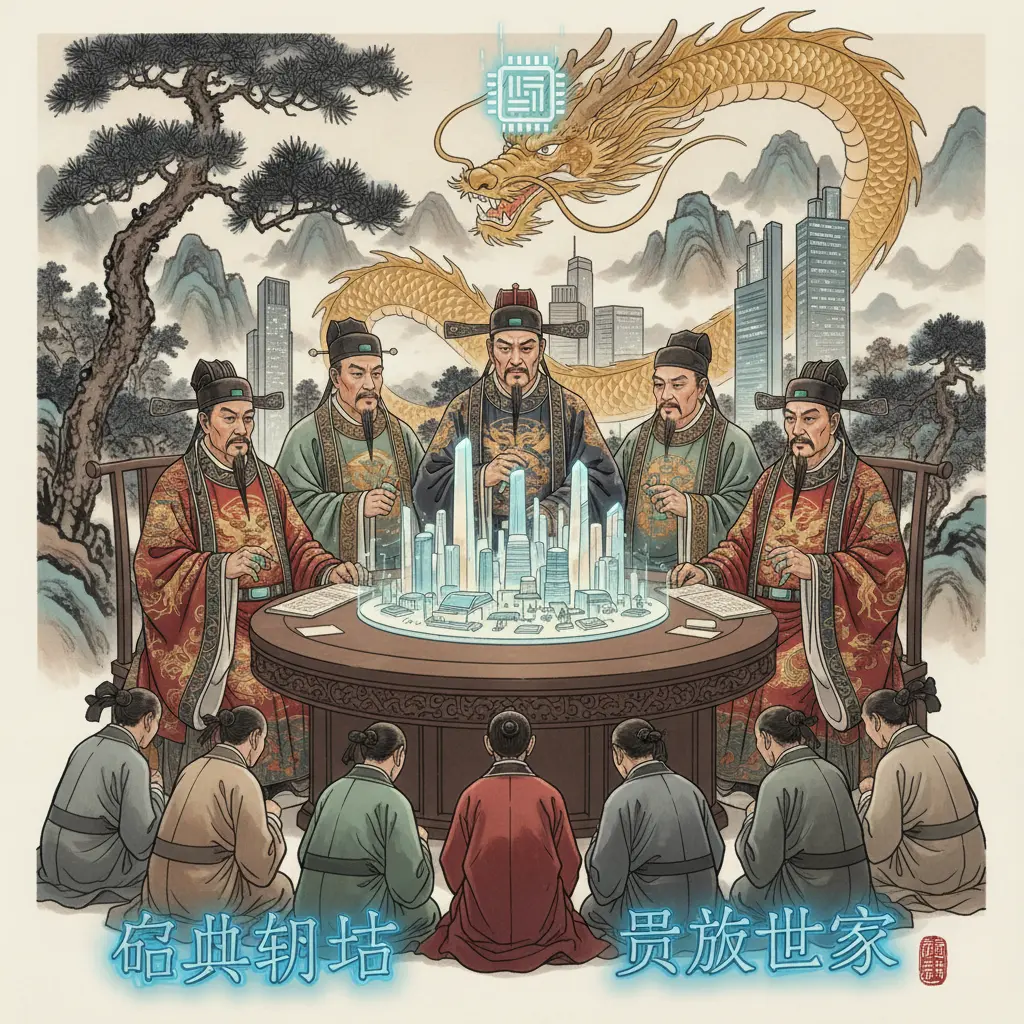
Professional illustration about Oligarchy
Aristocrat Future
The Future of Aristocracy in a Shifting Global Landscape
As we step further into 2025, the concept of aristocracy continues to evolve, blending historical roots with modern realities. While traditional nobility and hereditary rule may seem like relics of feudalism, elements of aristocracy persist in new forms—whether through corporate elites, political dynasties, or cultural influencers. Companies like Aristocrat Leisure Limited, listed on the Australian Securities Exchange (ASX), symbolize how aristocratic ideals translate into modern business hierarchies, where wealth and influence often concentrate among a privileged class. Meanwhile, venues like the Aristocrat Pub & Restaurant in Indianapolis reflect a nostalgic embrace of aristocratic aesthetics, proving that the allure of elitism still resonates in popular culture.
However, the tension between aristocracy and democracy remains unresolved. In political theory, governance systems like monarchy, oligarchy, and meritocracy compete for dominance, each offering a distinct vision of how power should be distributed. Critics argue that aristocracy perpetuates social stratification, reinforcing class conflict by privileging birthright over ability. Yet, proponents of nobility—especially in constitutional monarchies—highlight its role in preserving tradition and stability. The question isn’t just whether aristocracy will survive, but how it will adapt.
One emerging trend is the "soft aristocracy" of today’s ruling class: tech moguls, celebrity dynasties, and inherited fortunes that mimic traditional nobility without formal titles. This new elite wields influence through economic capital rather than feudal landholdings, reshaping social hierarchy in ways that echo historical patterns. For instance, the debate over wealth inequality often centers on whether modern aristocracy—defined by wealth concentration—undermines democratic ideals. Meanwhile, movements advocating for meritocracy challenge the very foundation of hereditary rule, pushing societies to rethink how power and privilege are allocated.
Looking ahead, the future of aristocracy may hinge on its ability to reconcile with egalitarian values. Hybrid systems—where symbolic nobility coexists with democratic institutions—could become more prevalent, as seen in nations blending ceremonial monarchies with elected governments. Alternatively, rising distrust in oligarchy and corporate elites might fuel demands for greater transparency, forcing modern aristocrats to justify their status. Whether as a cultural fascination, a corporate structure, or a political relic, aristocracy will likely remain a contentious yet enduring feature of human society. The key will be navigating its contradictions in an era that prizes equality but still clings to the glamour of the upper class.